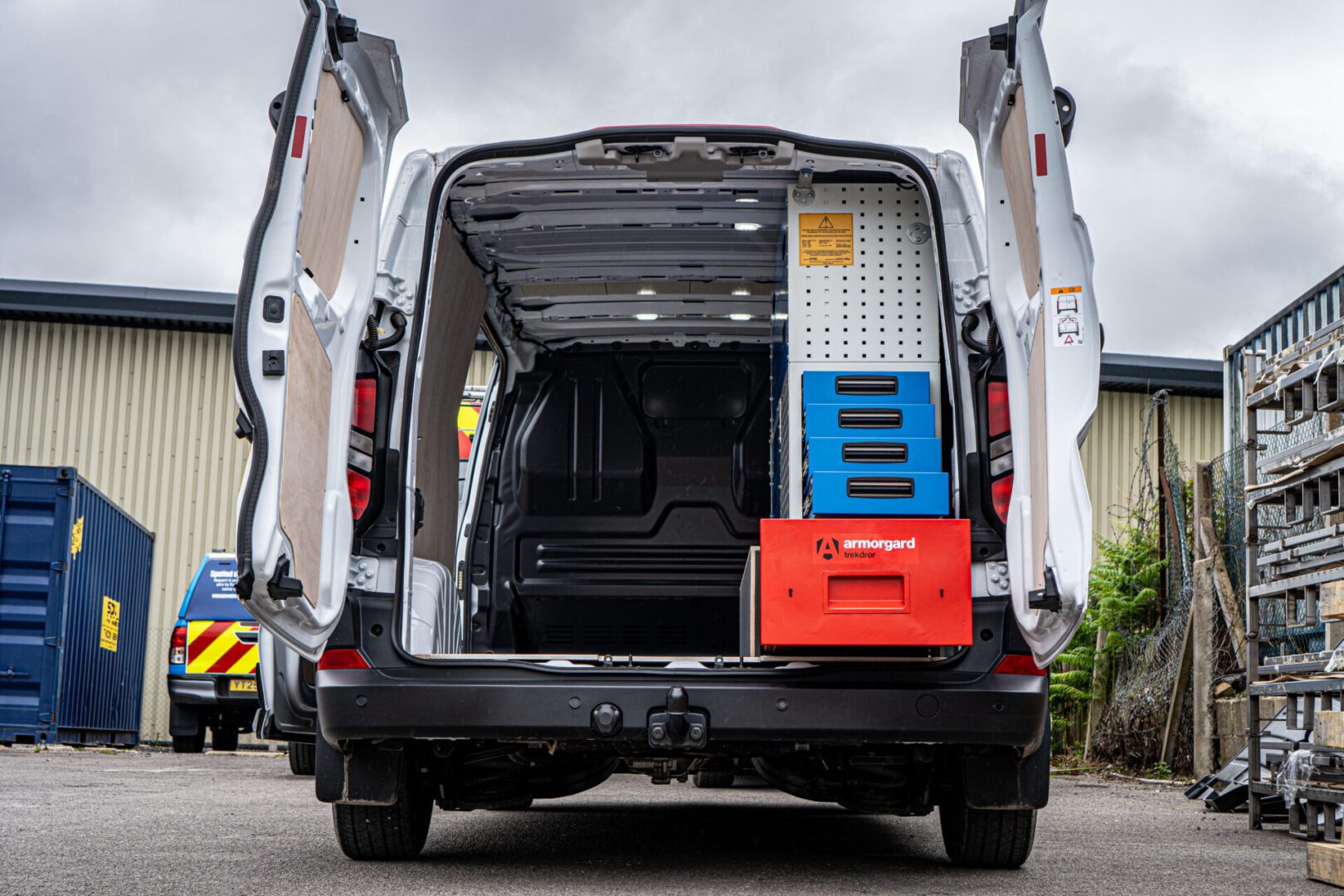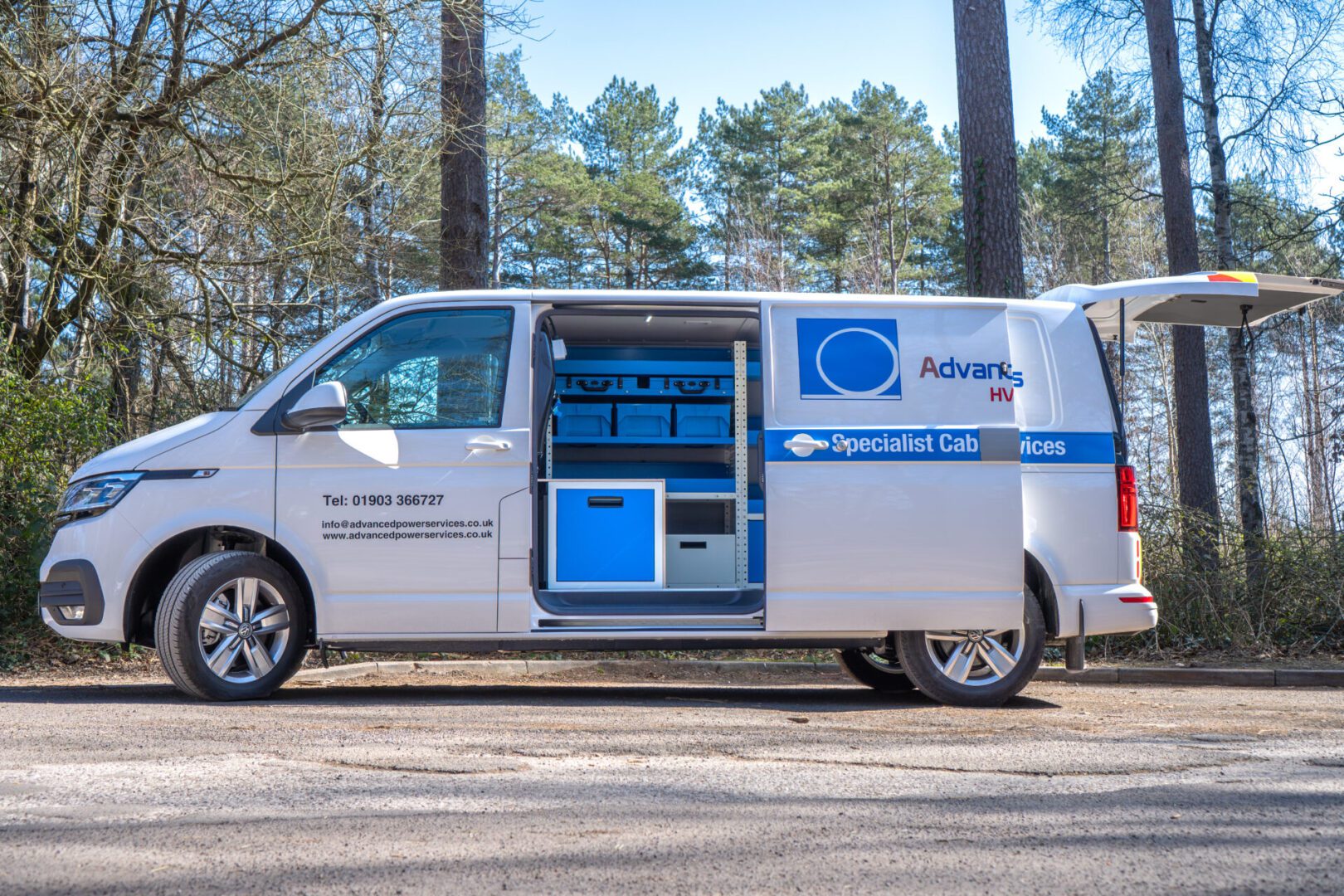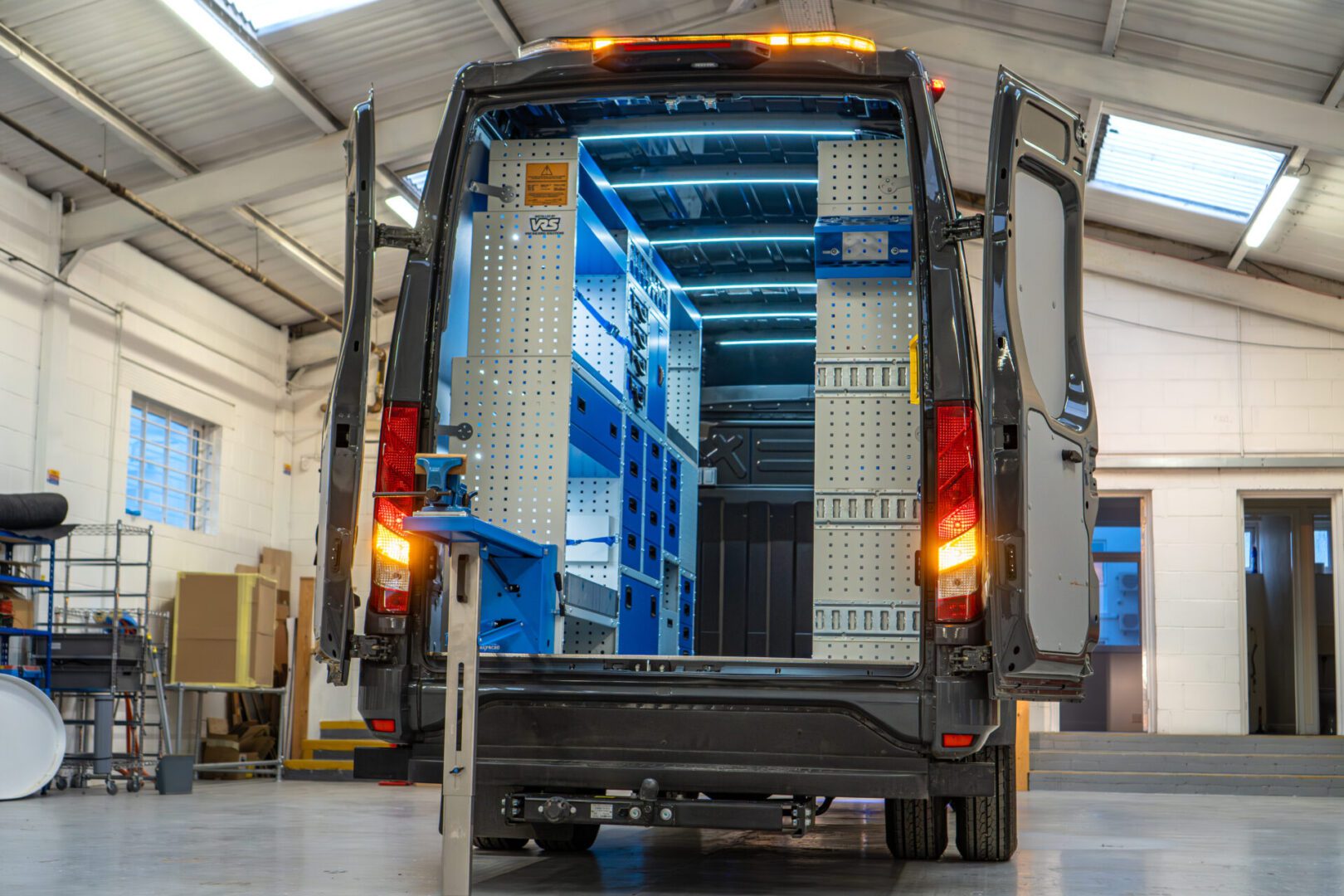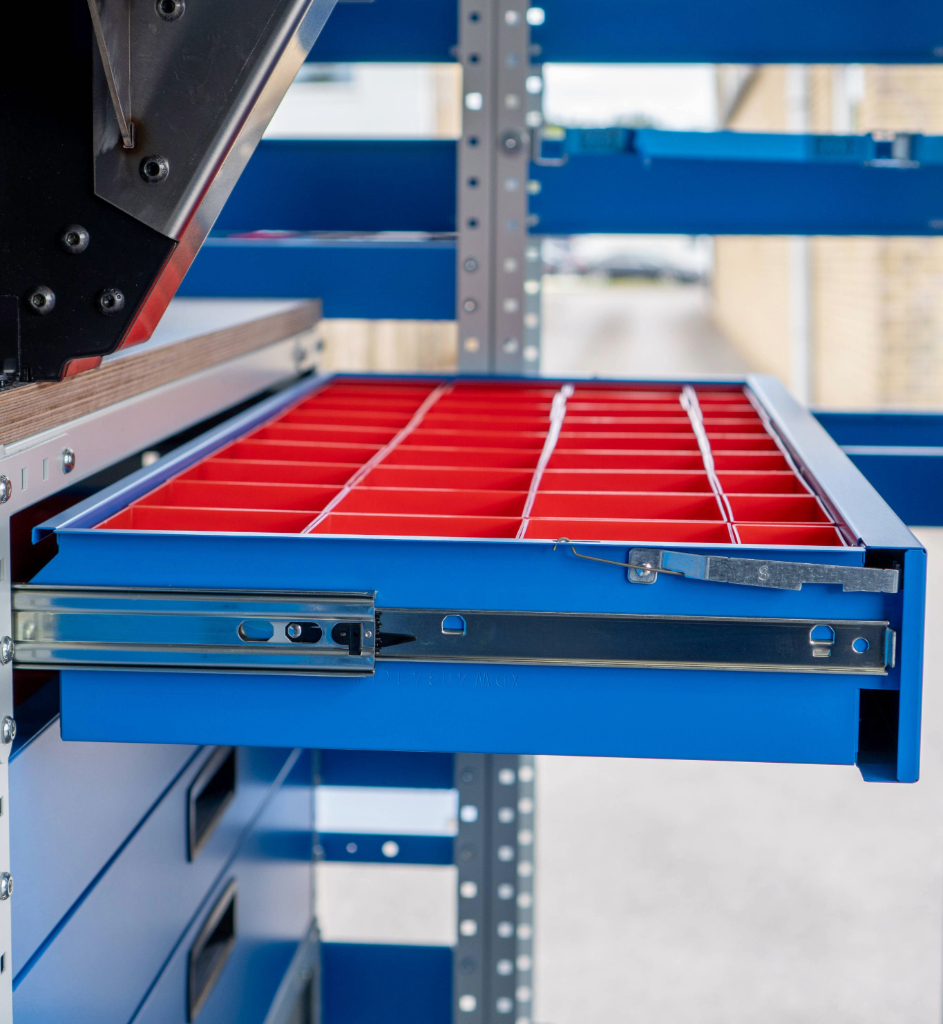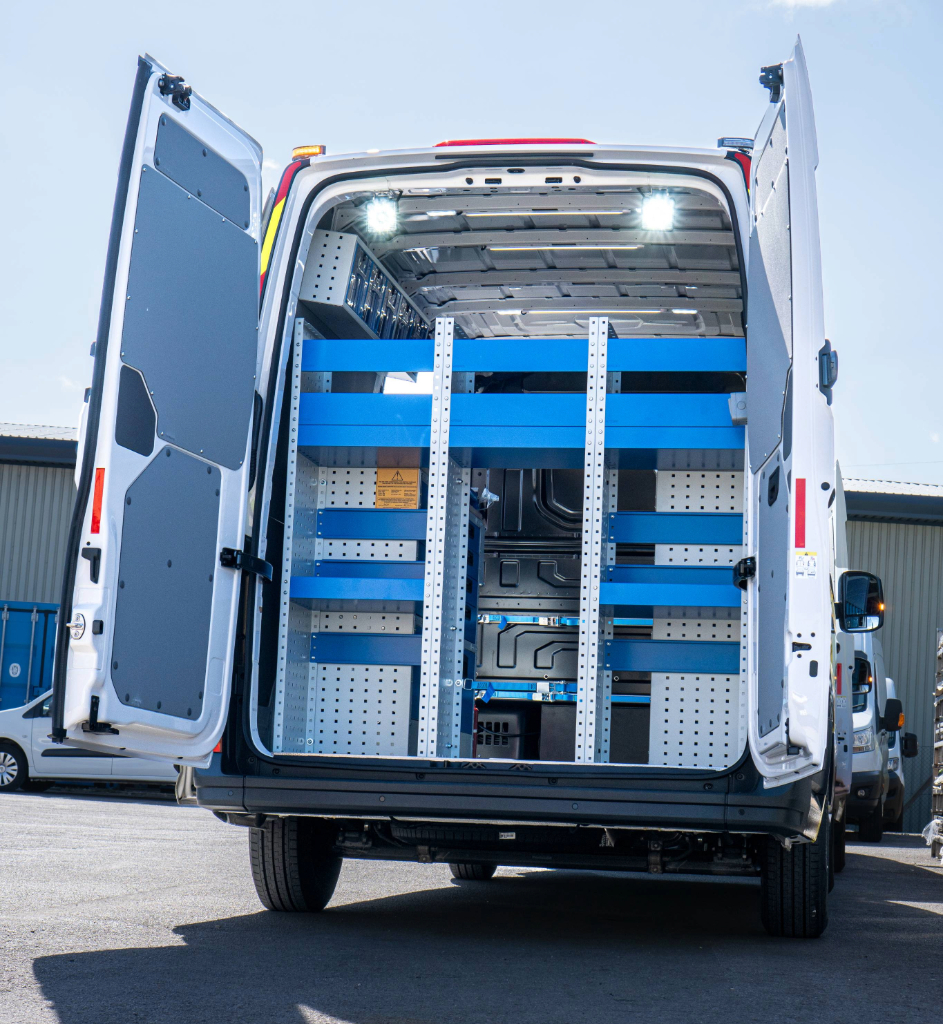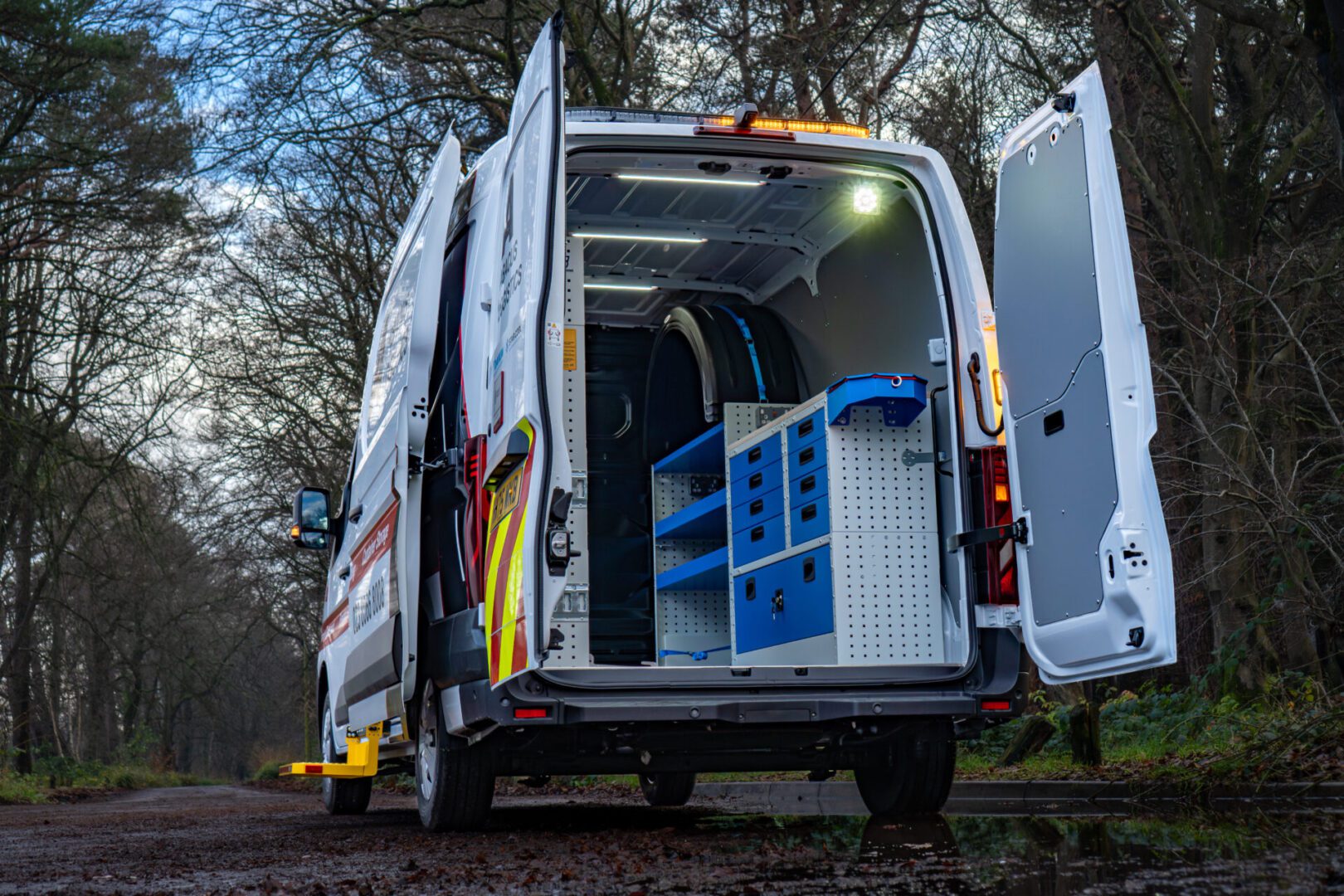
Choosing the right van racking is about far more than adding shelves to the back of a vehicle.
A well-designed van should support the way your engineers work, improve organisation and create an efficient mobile workspace that helps your business operate more productively.
However, many businesses make the same mistakes when specifying their vans, often leading to layouts that don’t fully meet their needs.
At Van Racking Solutions, we’ve designed and installed van racking for businesses across a wide range of industries. Here are five of the most common mistakes we see — and how to avoid them.
1. Choosing Generic Van Racking Instead of Designing Around the Job
Every trade works differently.
An electrician carries very different equipment to a plumbing and heating engineer, while a utility contractor may require onboard power, compressors and specialist storage.
Choosing an off-the-shelf layout simply because it fits the vehicle often means compromising on efficiency.
Instead, your van racking should be designed around the equipment you carry, how frequently you use it and the way you work throughout the day.
2. Focusing on Storage Instead of Workflow
Many businesses look at how much equipment they can fit into a van.
A better question is:
How easily can your engineers access it?
A well-designed mobile workspace should reduce unnecessary movement, make frequently used tools easy to reach and allow engineers to work efficiently on site.
The best layouts improve workflow, not just storage capacity.
3. Forgetting About Future Growth
Your business today may not look the same in three years’ time.
You may employ more engineers, introduce new equipment or standardise additional vehicles.
Choosing modular van racking gives you greater flexibility to adapt layouts as your business evolves, making it easier to expand your fleet without starting from scratch.
4. Ignoring Payload and Weight Distribution
Every commercial vehicle has a maximum payload.
Adding unnecessary weight or failing to distribute equipment correctly can affect both vehicle performance and legal compliance.
A professionally designed van layout takes payload into account while making the best possible use of the available space.
This helps businesses carry everything they need without compromising usability or safety.
5. Choosing on Price Alone
It’s understandable to compare quotes.
However, the cheapest option isn’t always the most cost-effective in the long run.
A well-designed van racking system can help improve organisation, reduce wasted time, protect valuable equipment and support engineer productivity for years to come.
Rather than focusing solely on the initial cost, it’s worth considering the long-term value a quality fit-out can bring to your business.
Choosing the Right Van Racking
The best van racking isn’t necessarily the one with the most shelves or the lowest price.
It’s the one that works for your business.
A successful fit-out should be designed around:
- The type of work you carry out
- The tools and equipment you use
- Daily workflow
- Payload requirements
- Future fleet growth
- Long-term flexibility
Taking these factors into account helps create a mobile workspace that supports both your engineers and your business.
Final Thoughts
Investing in the right van racking can have a lasting impact on productivity, organisation and operational efficiency.
By avoiding these common mistakes and designing your van around the way your team actually works, you’ll create a practical mobile workspace that continues delivering value long after installation.
Whether you’re fitting out a single vehicle or standardising an entire fleet, careful planning at the start will help ensure your van racking works as hard as your engineers do.